Every Treatment We Offer, Explained Clearly
From vitiligo to allergy testing — here's what each treatment involves, its symptoms, the process, and what to expect.
Vitiligo Treatment
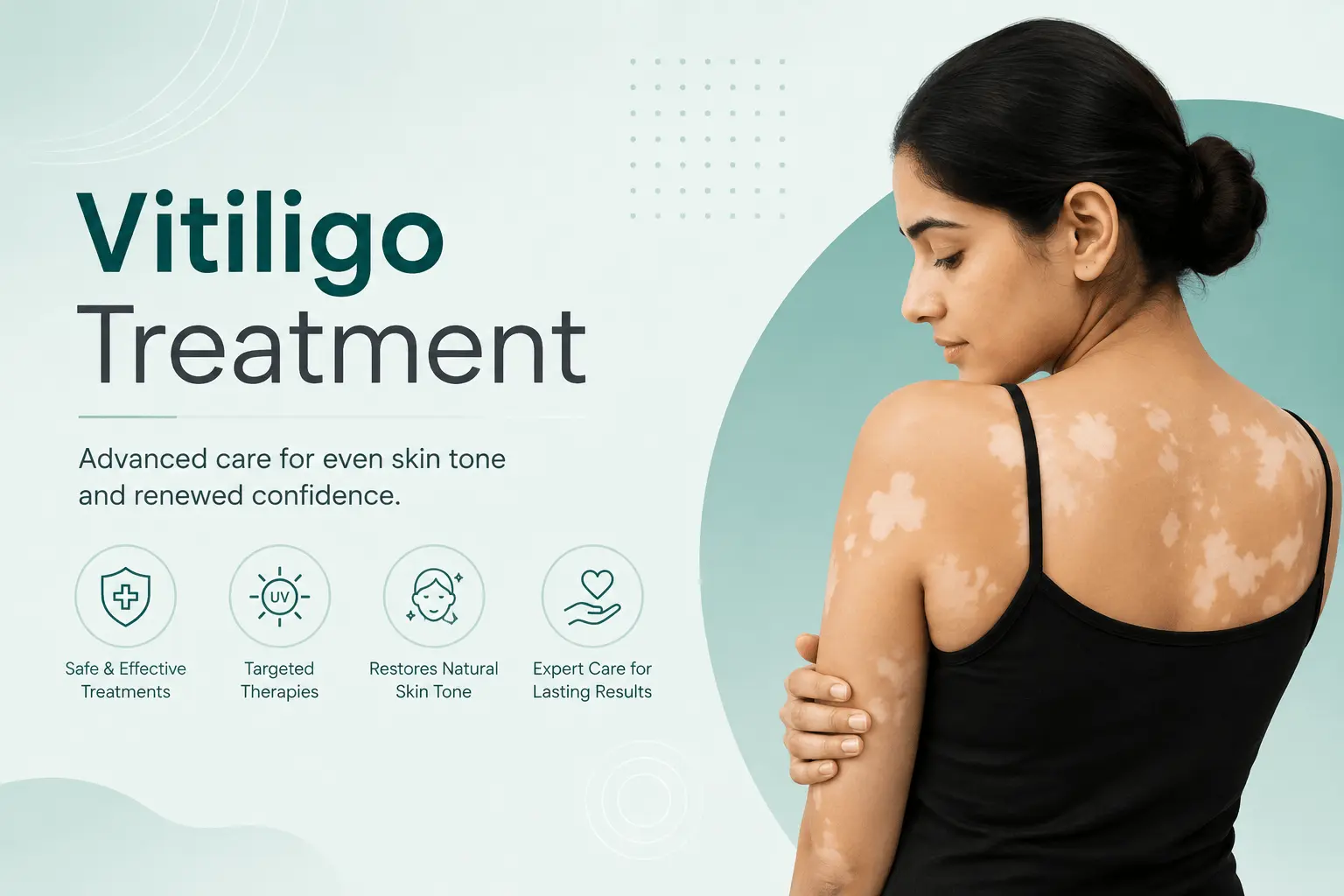
A research-backed, staged approach to repigmentation that addresses both active spread and long-term stability of vitiligo.
Symptoms
- Milky-white patches on skin
- Patches that may slowly enlarge
- Premature greying of hair
- Loss of colour inside the mouth or nose
Treatment Process
Assessment of spread pattern, followed by a combination of topical, light-based or systemic therapy chosen for your specific case, with progress reviewed every few weeks.
Benefits
- Restores skin pigment gradually
- Slows further spread
- Improves confidence and appearance
- Long-term monitoring included
Results depend on the type, extent and duration of vitiligo. Dr. Gautam will explain a realistic timeline after your first examination.
White Spot Treatment
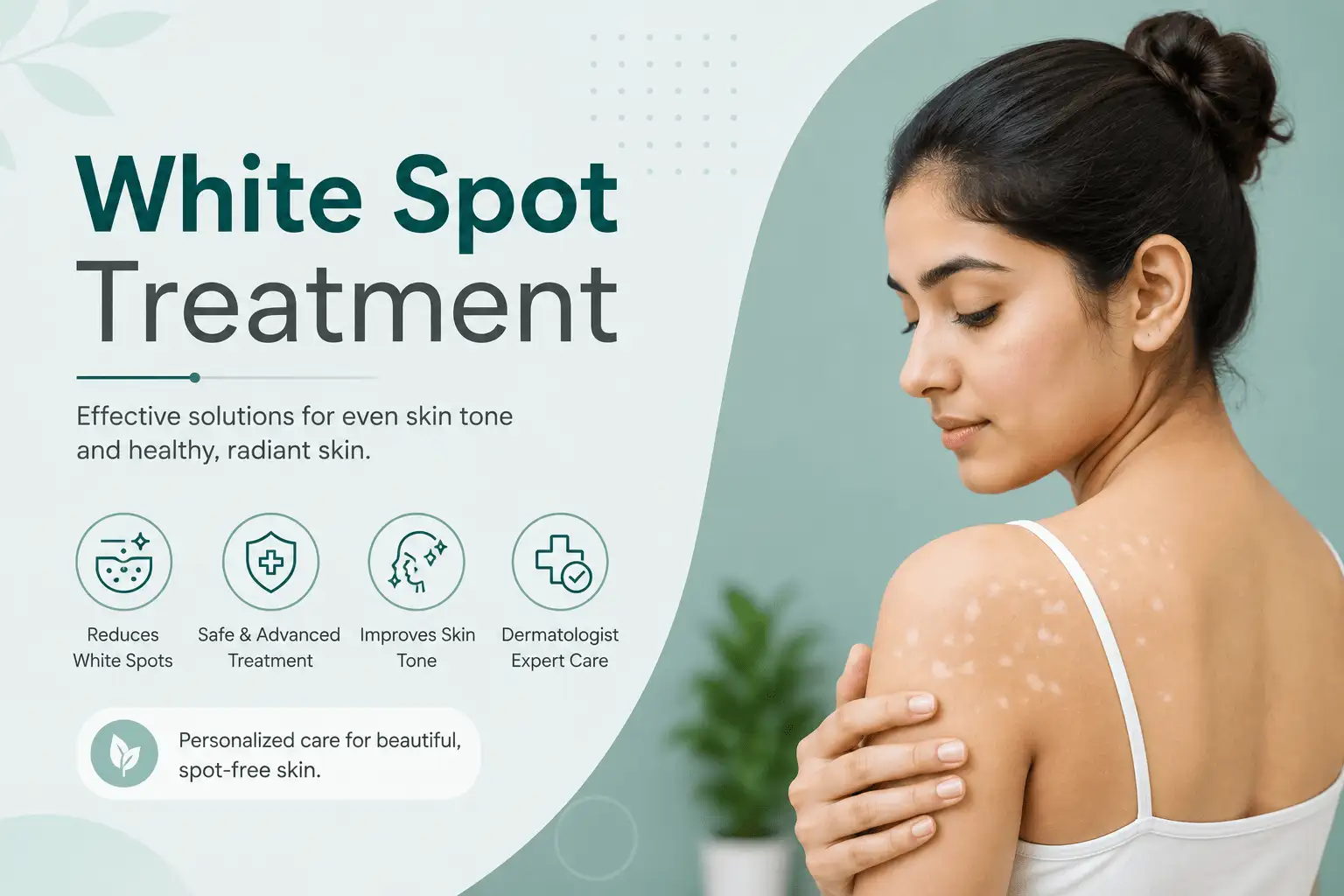
Focused therapy for depigmented patches, from early detection through advanced-stage management.
Symptoms
- Small pale or white patches
- Patches more visible after sun exposure
- Patches with defined or fading borders
Treatment Process
Precise diagnosis to distinguish white spots from other conditions, followed by a customised topical or procedural treatment plan.
Benefits
- Early intervention improves outcomes
- Non-invasive treatment options
- Reduces visible contrast with surrounding skin
Not all white patches are vitiligo — an accurate diagnosis is the first step, since treatment differs by underlying cause.
Allergy Treatment
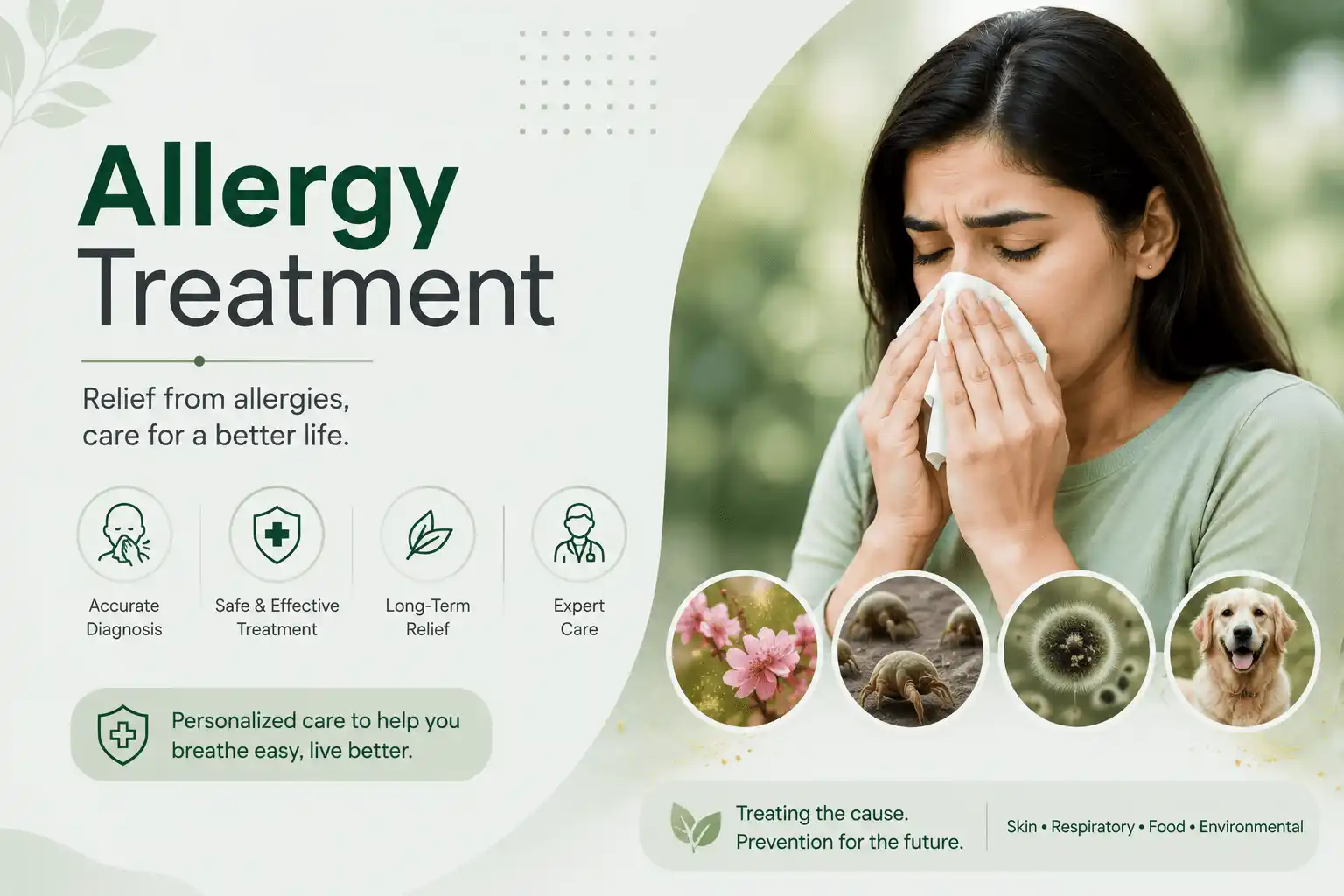
Comprehensive testing and treatment for skin allergies, hives, and reactive skin conditions.
Symptoms
- Redness, itching or hives
- Swelling after contact with a trigger
- Recurring rashes with no clear cause
Treatment Process
Allergy testing to identify specific triggers, followed by a management plan combining avoidance guidance and medical treatment.
Benefits
- Identifies exact allergy triggers
- Reduces frequency of flare-ups
- Long-term relief, not just symptom control
Most allergy testing is completed in a single visit, with results and a treatment plan discussed the same day.
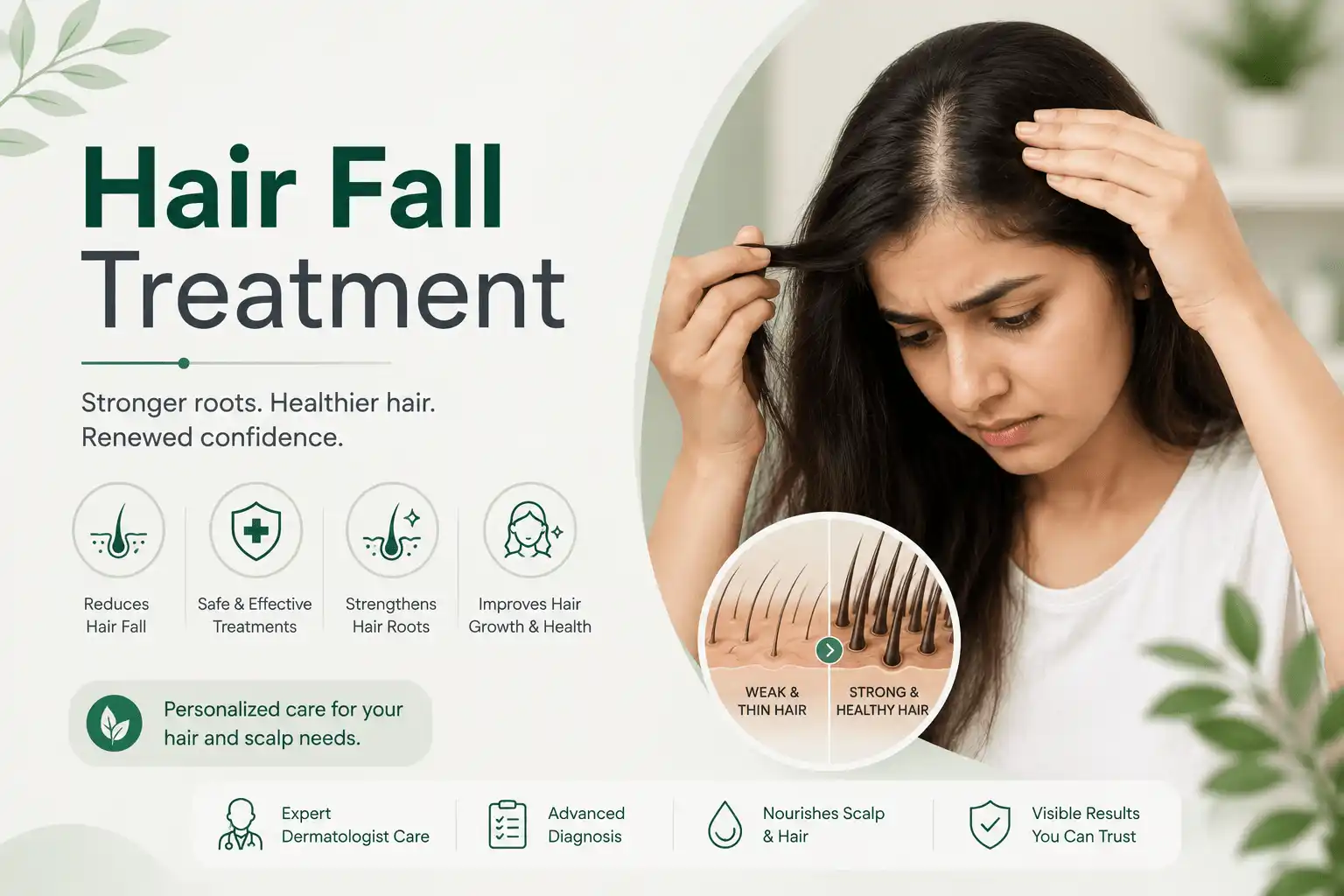
Hair Fall Treatment
Scientific evaluation of hair loss patterns paired with treatment protocols to slow loss and support regrowth.
Symptoms
- Increased hair shedding
- Thinning at the crown or hairline
- Visible scalp through thinning hair
Treatment Process
Scalp and hair assessment to identify the cause, followed by a tailored plan that may include topical treatment, medication or PRP therapy.
Benefits
- Addresses the root cause, not just symptoms
- Slows further hair loss
- Supports regrowth over time
Hair fall has many causes — hormonal, nutritional, genetic or stress-related — so treatment is always based on your specific diagnosis.
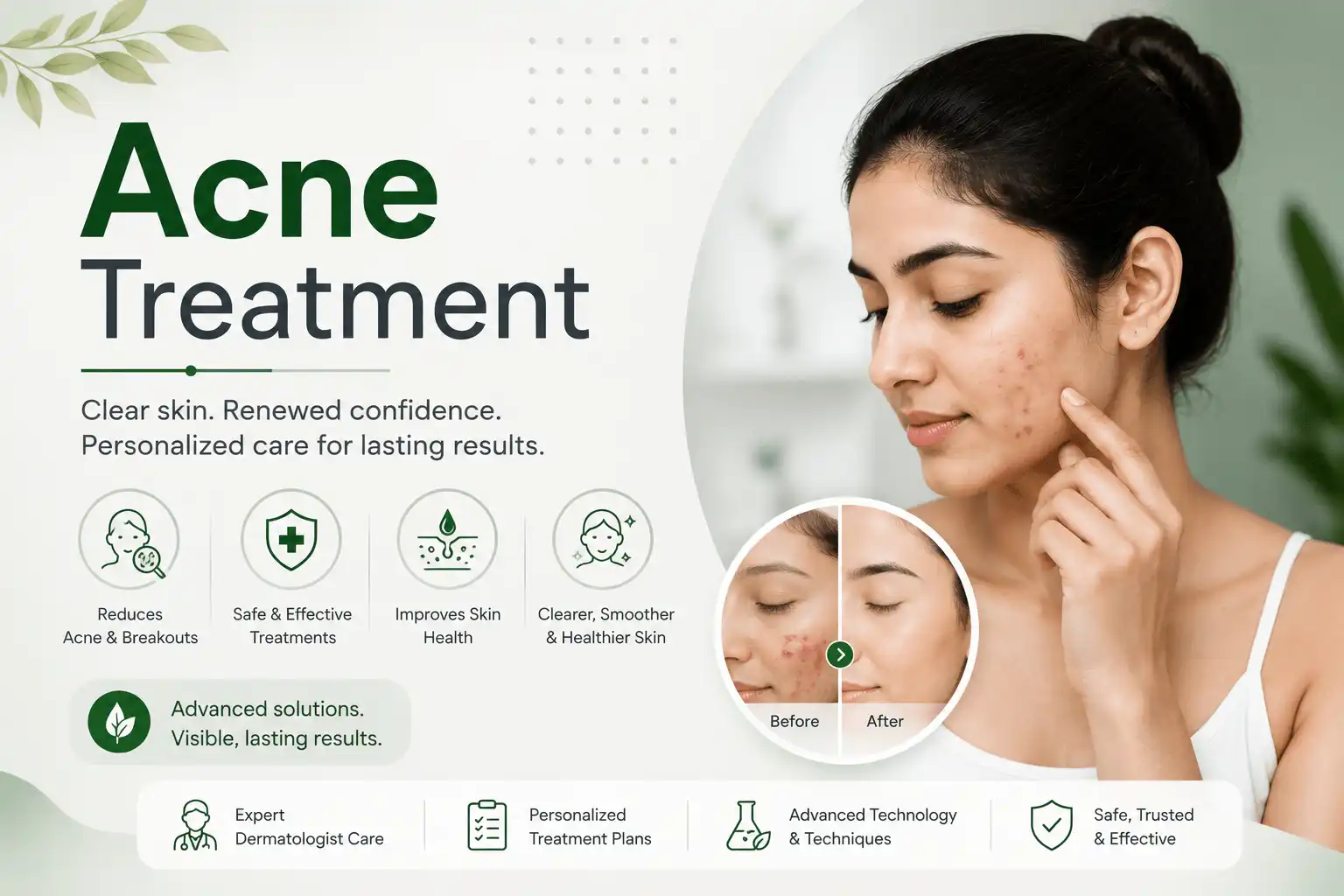
Acne Treatment
Personalised acne care that clears active breakouts while minimising the risk of future scarring.
Symptoms
- Whiteheads, blackheads or pimples
- Painful or cystic breakouts
- Post-acne marks or scarring
Treatment Process
Skin type and severity assessment, followed by a combination of topical treatment, medication and, where needed, in-clinic procedures.
Benefits
- Clears active breakouts
- Reduces future scarring risk
- Improves overall skin texture
Most patients see visible improvement within 4–6 weeks, with continued progress as the treatment plan continues.
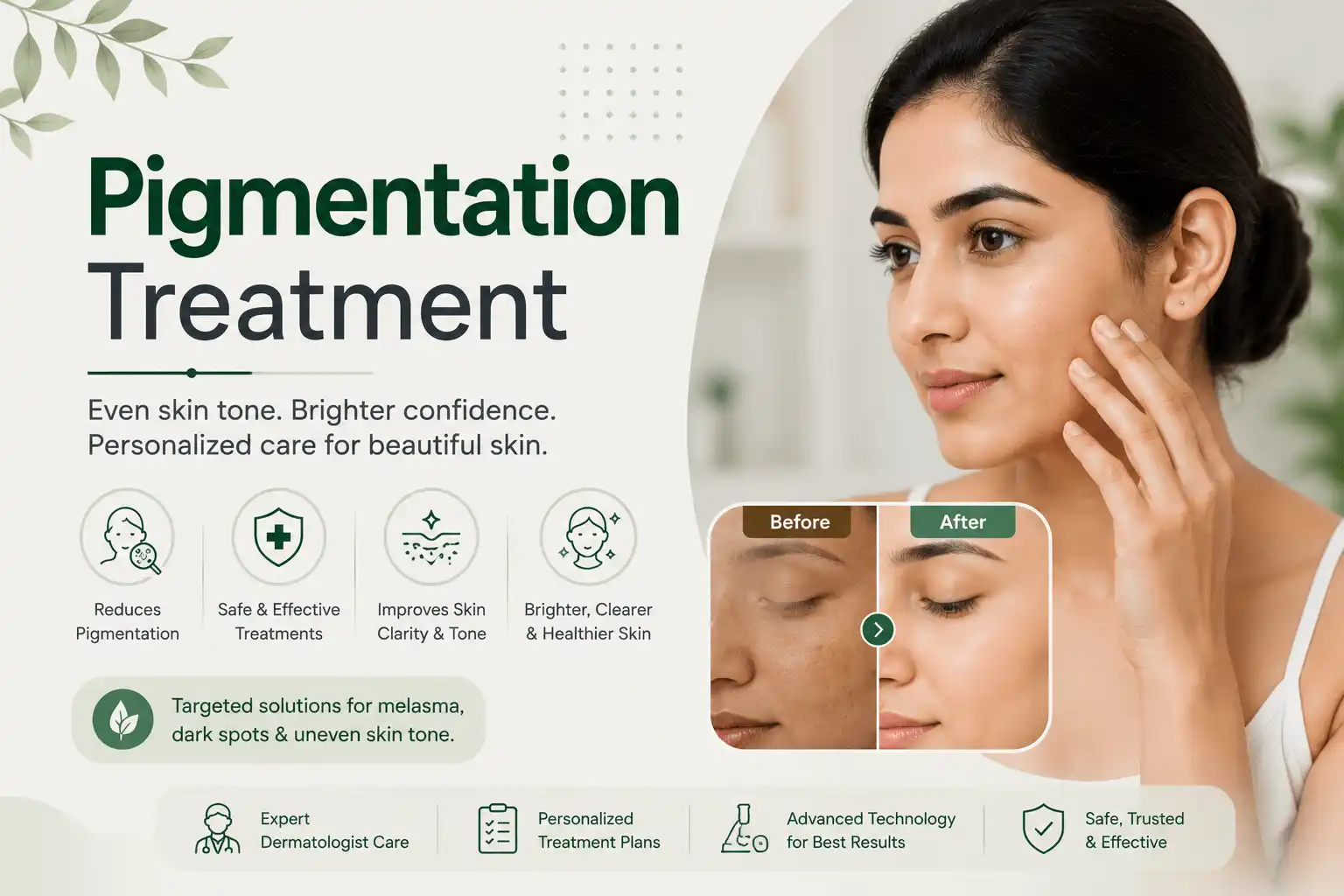
Pigmentation Treatment
Safe correction of uneven skin tone, dark patches, and sun-induced pigmentation.
Symptoms
- Dark patches on face or body
- Uneven skin tone
- Pigmentation that darkens with sun exposure
Treatment Process
Diagnosis of pigmentation type, followed by topical treatment, chemical peels or laser therapy as appropriate.
Benefits
- Evens out skin tone
- Reduces appearance of dark patches
- Improves overall skin radiance
Sun protection is an essential part of pigmentation treatment — we'll guide you on daily care alongside your treatment plan.
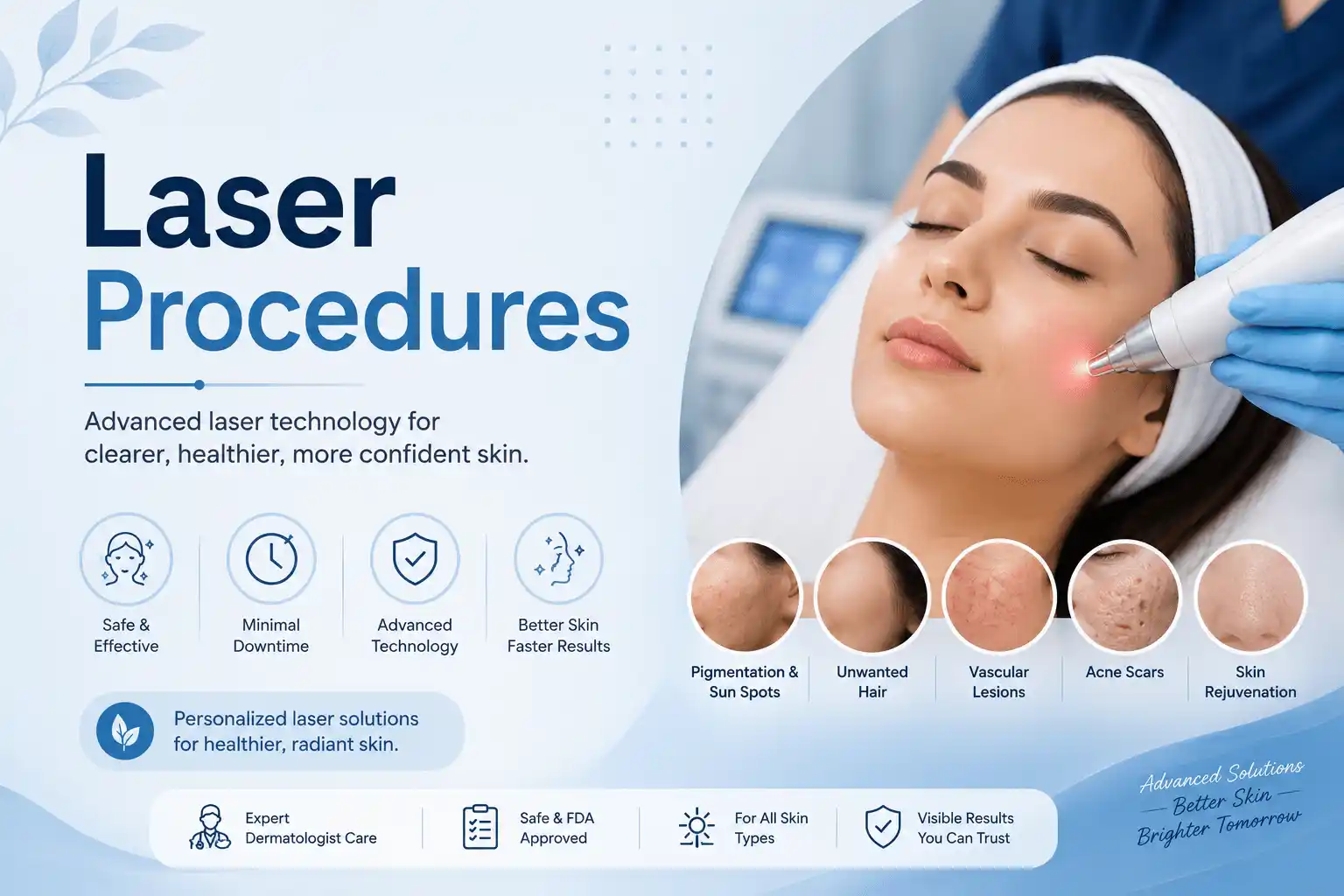
Laser Procedures
Precision laser treatments for pigmentation, select scars, and specific dermatological conditions.
Symptoms
- Stubborn pigmentation
- Certain types of scarring
- Localised skin lesions suited to laser treatment
Treatment Process
Suitability assessment followed by a scheduled course of sessions, with skin response monitored throughout.
Benefits
- Precise, targeted treatment
- Minimal downtime for most procedures
- Performed by trained clinical staff
Not every condition is suited to laser treatment — Dr. Gautam will confirm suitability during your consultation.
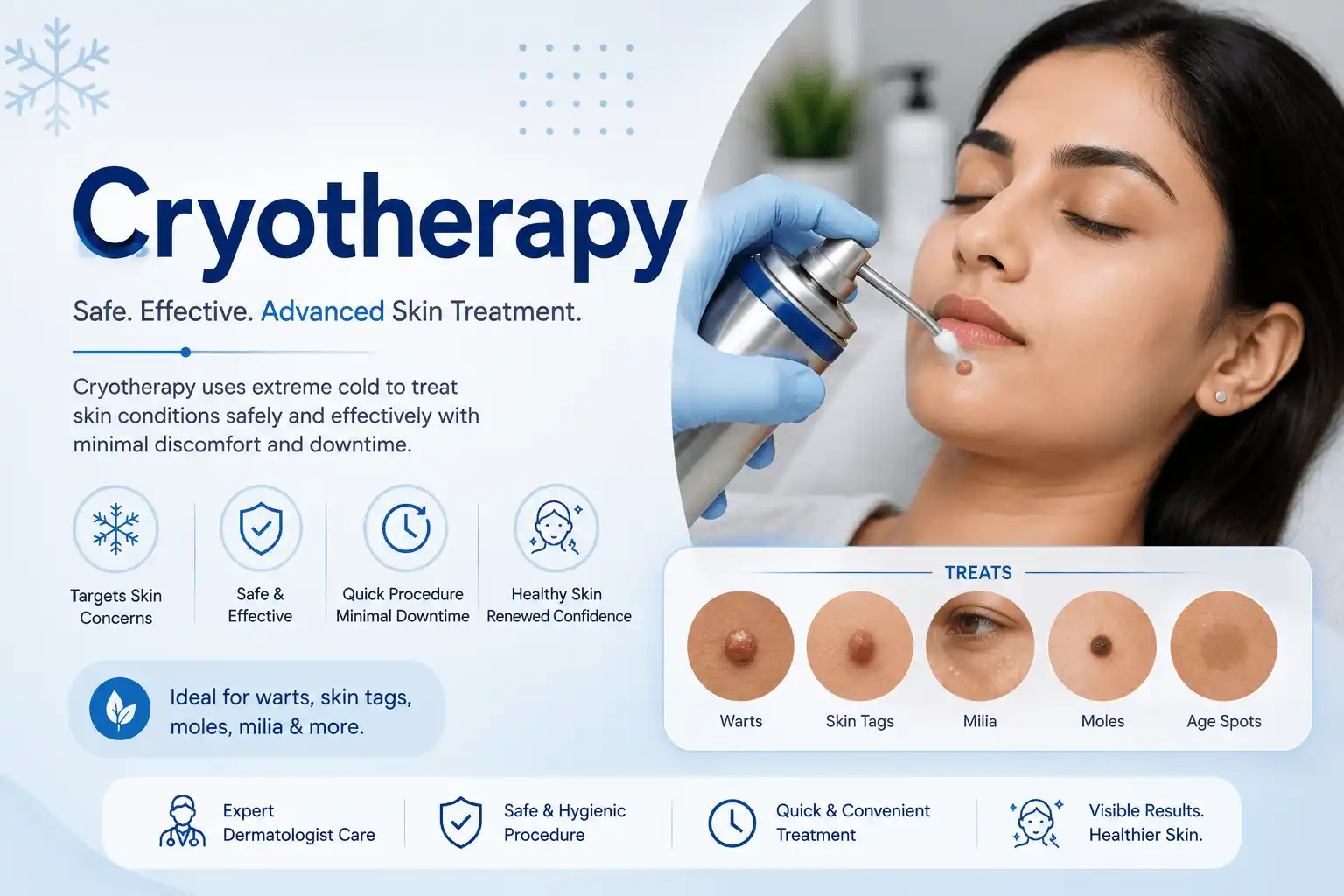
Cryotherapy
Controlled freezing treatment used to safely remove warts, skin tags, and select benign lesions.
Symptoms
- Warts or raised skin tags
- Small benign skin growths
Treatment Process
A brief in-clinic procedure using controlled cold application, typically completed within minutes per lesion.
Benefits
- Quick, minimally invasive procedure
- Low risk of scarring when done correctly
- Often resolved in one to a few sessions
Mild redness or a small blister at the treatment site is normal and typically resolves within a few days.
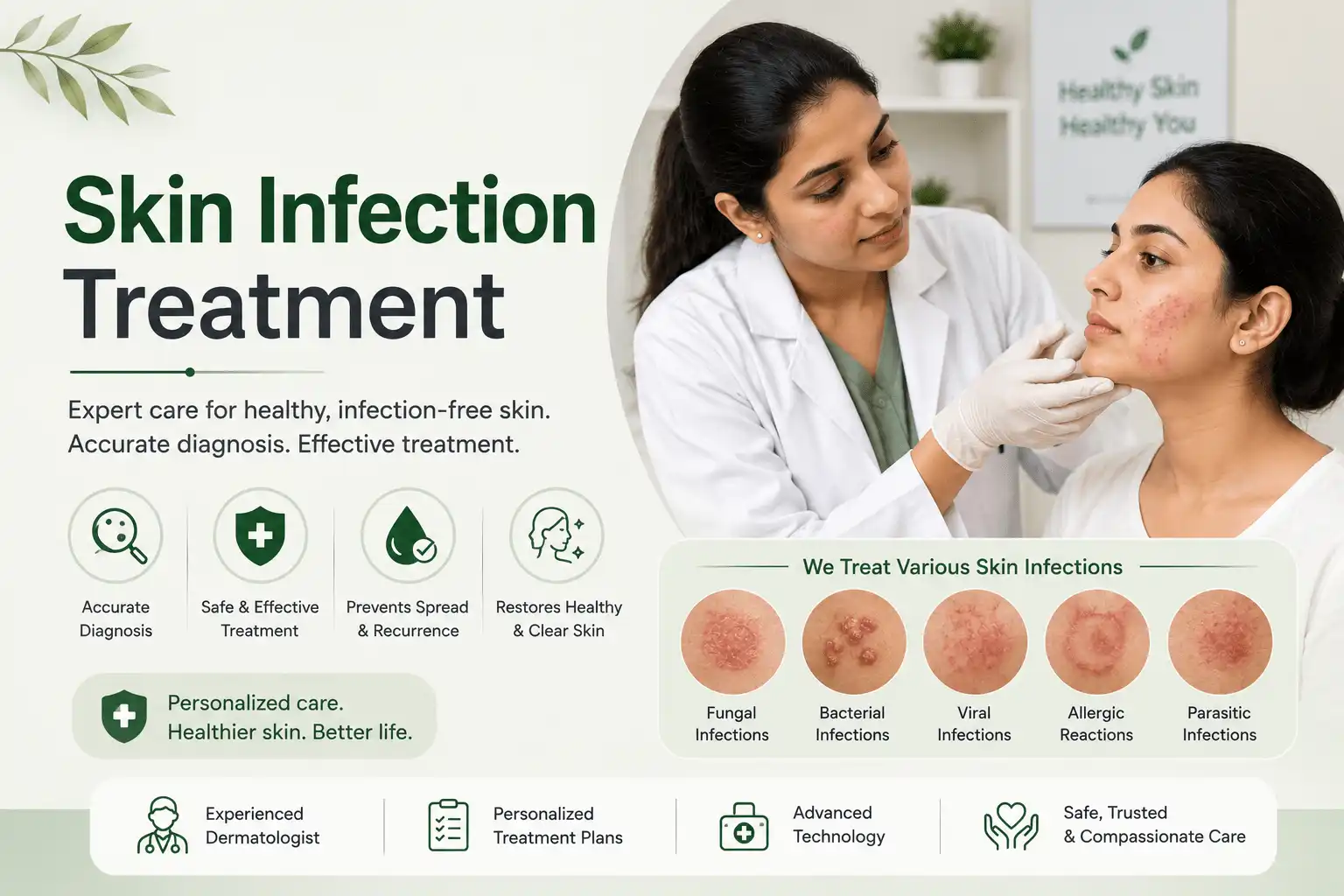
Skin Infection Treatment
Fast, accurate treatment for bacterial and viral skin infections to prevent spread and complications.
Symptoms
- Redness, swelling or warmth on skin
- Pus-filled bumps or blisters
- Pain or tenderness in the affected area
Treatment Process
Clinical examination to identify the infection type, followed by targeted antibiotic or antiviral treatment.
Benefits
- Fast symptom relief
- Prevents spread to other areas
- Reduces risk of complications
Seek treatment promptly if an infection is spreading quickly, very painful, or accompanied by fever.
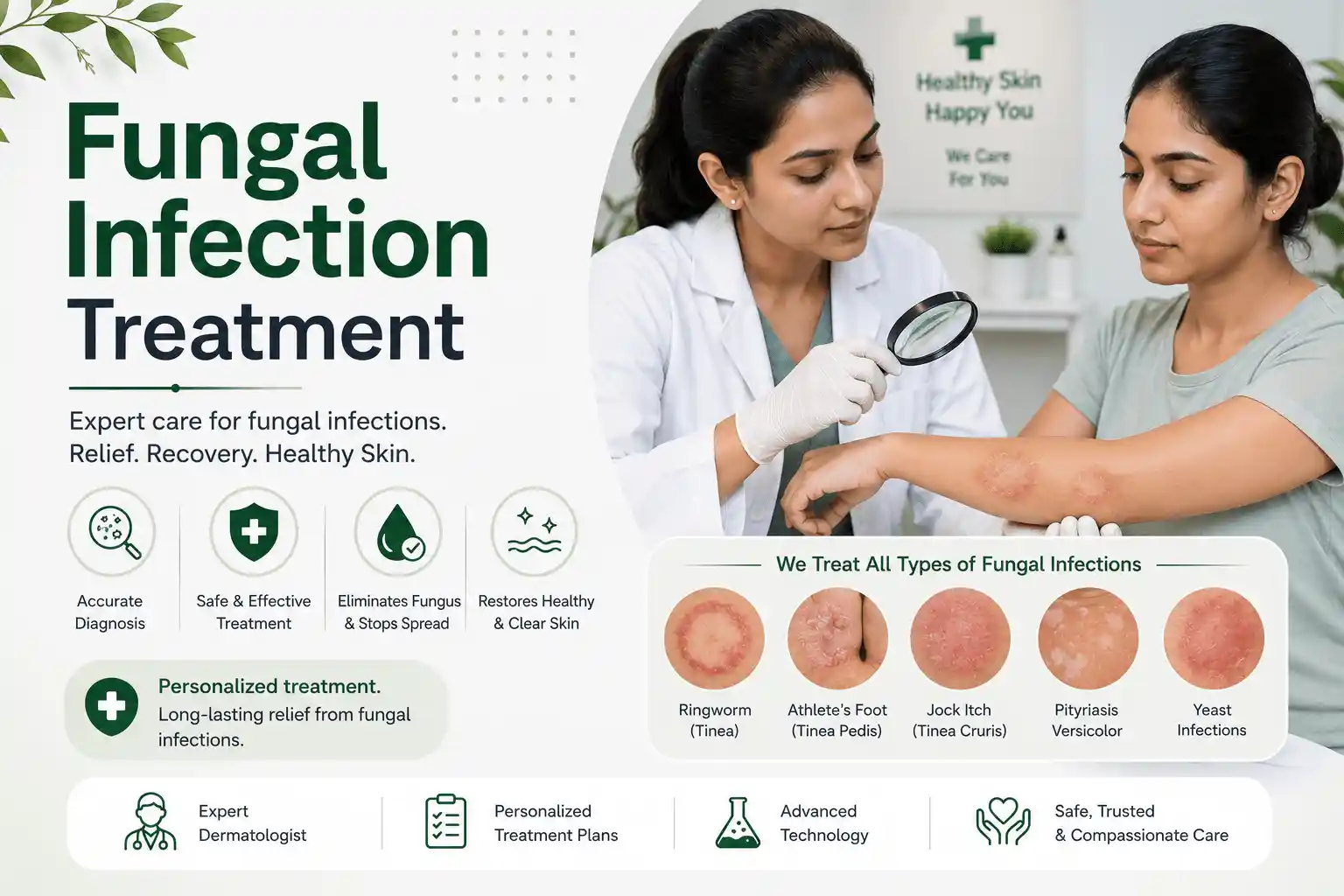
Fungal Infection Treatment
Complete antifungal care for skin, scalp and nail infections, with a focus on preventing recurrence.
Symptoms
- Itchy, scaly or red patches
- Ring-shaped rashes
- Discoloured or brittle nails
Treatment Process
Diagnosis of the fungal type, followed by topical or oral antifungal treatment and hygiene guidance to prevent recurrence.
Benefits
- Clears infection at the source
- Reduces itching and discomfort
- Lowers risk of recurrence
Completing the full course of treatment — even after symptoms improve — is essential to fully clear a fungal infection.